When the Los Angeles Dodgers face off against Shohei Ohtani and the Angels, there’s always an added layer of intrigue and complexity. Ohtani is not your typical opponent—he’s a rare two-way player whose role can shift game to game, pitching one night and hitting (or DHing) the next. For Dodgers fans and fantasy managers trying to parse the lineup and pitching matchups, this creates unique challenges and opportunities.
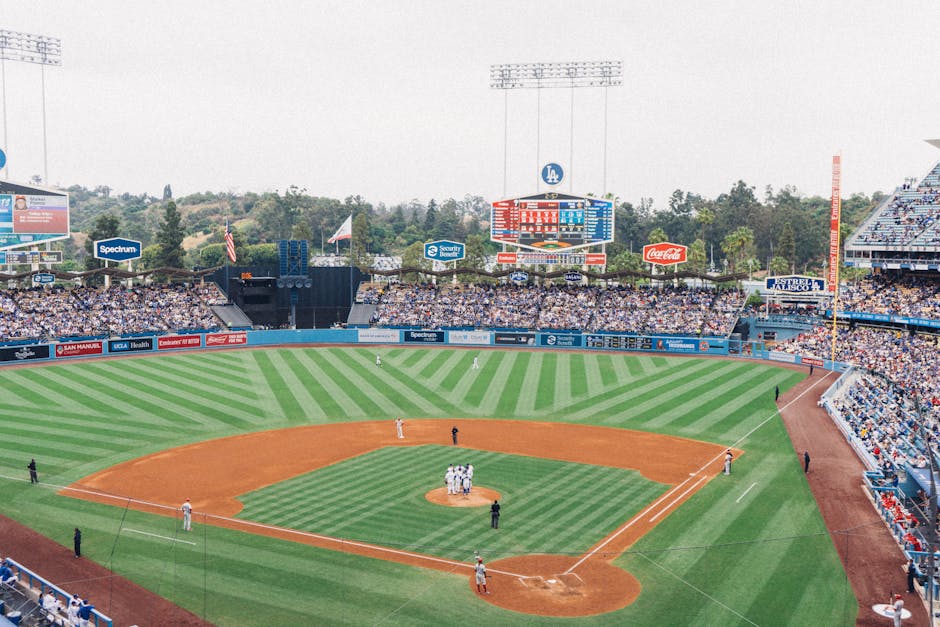
In this post, we’ll walk you through how to effectively preview a Dodgers game when Ohtani might pitch or serve as designated hitter. We’ll break down key concepts like confirmed vs probable starters, starter workload context, lineup construction, and platoon splits—all while applying real-world tools like Oddstrader for real-time offshore odds and insights from MLB.com’s updates about Ohtani’s expected return to the lineup late September 2024.
Understand the Two-Way Player Impact on Previews
Ohtani’s dual role impacts game previews in several ways:
- Pitching Plan Changes: His presence on the mound changes how the Dodgers will construct their lineup and bullpen strategy.
- DH Spot Ripple Effect: If Ohtani isn’t pitching but hitting, it shifts not only the Angels’ batters but potentially who the Dodgers counter in their lineup.
Before we dive into specific strategies, remember one common mistake: avoiding bet- or ticket-price-centric content when analyzing games. While tools like Oddstrader provide useful odds, your preview should focus on player and matchup details, not betting lines or ticket prices—especially if your source data is scraped or incomplete in those areas.
Step 1: Confirmed Starter vs Probable Starter
Always check whether Ohtani is a confirmed starter or a probable one. MLB.com’s official announcements and pregame reports provide the most reliable info on pitching rotation and lineup slots. For example:
- Confirmed Starter: Ohtani’s started the game on the mound and will likely throw 80-100+ pitches (season and workload permitting).
- Probable Starter: Expected to start but not yet officially announced—requires weighing recent workload and any updates during pregame.
Dodgers previews require you to adjust expectations of the opposing rotation-endurance and bullpen usage accordingly.
For instance, a confirmed Ohtani start typically means Dodgers hitters face a pitcher who can touch triple digits in velocity but with some fatigue or rest-related caveats.
Context: Starter Workload and Pitch Count
Next, dig into Ohtani’s recent innings and pitch counts. Was his last start a 7-inning gem at 95 pitches or a short outing capped at 55 pitches due to arm fatigue? This affects both his effectiveness and the Angels bullpen’s role.
Heavy workloads in recent starts may predict pitch count limitations or relief-heavy late innings if Ohtani begins the game on the bump. Conversely, a lighter load might suggest he can go deeper and keep the Dodgers’ bats guessing longer.
Step 2: Lineup Construction and Rest Days
With Ohtani potentially pitching or DHing, the Angels’ lineup shape can vary widely from game to game, rippling into how the Dodgers configure their starting nine and bullpen usage.
When Ohtani is Pitching:

- He usually bats 8th or 9th since pitchers don’t typically bat in AL games unless in interleague play or special DH rules.
- This lowers the Angels lineup’s overall offensive potential, possibly meaning Dodgers’ pitchers approach batters differently late in the order.
- Ohtani’s rest days on the mound are often dictated by swings, dashes, or recovery protocols — be mindful of recent game logs indicating his physical status.
When Ohtani is DHing:
- He likely occupies a middle-of-the-order slot (generally 2nd or 3rd), maximizing his potent bat’s impact.
- The Angels must fill in a pitcher in the bullpen or substitute position, which may weaken their pitching staff or defense.
- This shift impacts Dodgers pitching strategies, bullpen deployment, and defensive alignment.
For Dodgers fans following the lineup card:
Step 3: Platoon Splits and Handedness
Analyzing handedness matchups is key against a two-way player like Ohtani. Here are important angles:
- If Ohtani is Pitching: He’s a right-handed pitcher. Dodgers will weigh their right vs left-handed batters’ relative splits facing him historically and this season.
- Ohtani as DH: Watch who the Dodgers start on the mound — often the Angels will try entering a lefty pitcher to exploit Dodgers’ lefty hitters, or vice versa.
This data helps Dodgers managers decide lineup slotting and pinch-hitting during the game. It also lets fans anticipate bigger impacts in terms of offensive production depending on Ohtani’s role that night.
Tools to Use for Real-Time and Official Updates
Oddstrader (oddstrader.com) is excellent to check for real-time offshore baseball odds reflecting market sentiment on whether Ohtani dodgerblue.com will start pitching or hit as DH, or even be out of the lineup. While you should not focus on price or odds in your preview, these can serve as an early signal of team announcements or injury updates.
MLB.comSeptember 23, 2024, help confirm approximate dates for his return and probable role. This is crucial late-season information which influences Dodgers game-planning.
Summary and Preview Checklist for Dodgers Games Facing Shohei Ohtani
Final Thoughts
Previewing Dodgers games when facing a unique two-way threat like Shohei Ohtani demands both traditional baseball analysis and flexibility to incorporate evolving game-day info. By grounding your preview in starter confirmation, workload context, lineup strategy, and platoon splits, you unlock insights that elevate your understanding beyond a standard matchup preview.
Stay tuned for official MLB lineup announcements, leverage tools like Oddstrader and MLB.com for updates, and always prioritize the quality of player matchup details over surface-level odds or pricing data. That’s how you get the clearest picture when the Dodgers square off against one of baseball’s most exciting two-way players.