

In the fast-evolving world of multi-camera studio production, the intersection between mobile interface design and live video capture is often overlooked. Yet, as streaming increasingly targets mobile-first audiences, the phone screen layout and user interaction design profoundly influence decisions on camera angles, lighting, and encoding workflows. This post breaks down the crucial reasons why mobile interface design affects camera production, referencing industry leaders such as Hardware Times, MRQ (mrq.com), and standards promoted by the Society of Motion Picture and Television Engineers (SMPTE).
Understanding the Mobile-First Streaming Constraint
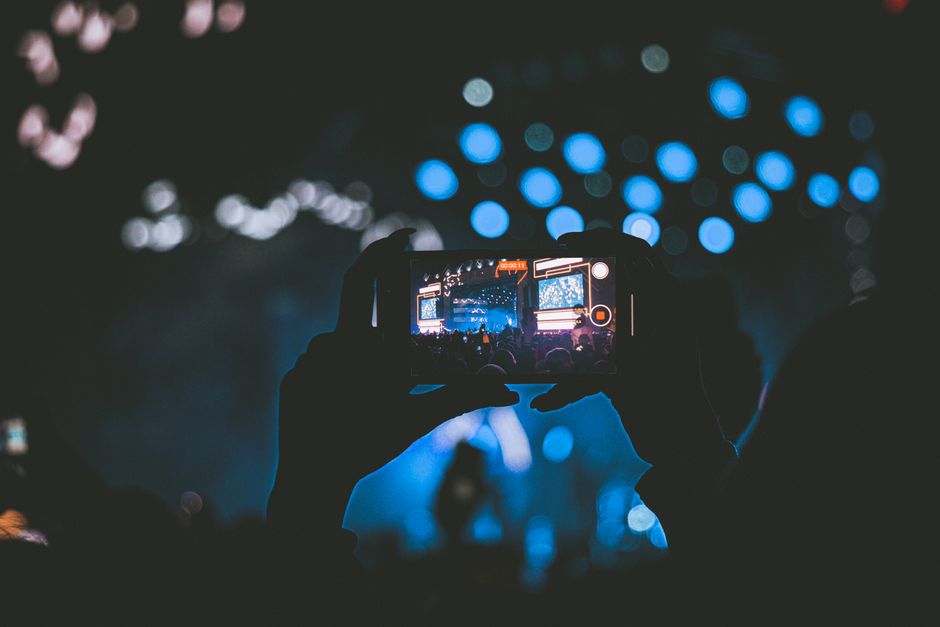
Mobile devices have become the primary screen for consuming streaming content, especially live broadcasts integrated with dynamic interfaces, such as betting controls in online casino apps or mobile websites. This shift enforces unique constraints that directly impact camera production strategies.
- Limited Screen Real Estate: Phone screen layout necessitates a presentation that balances video action with space for interactive elements like betting controls.
- Orientation Variability: Portrait vs. landscape orientation affects how action and UI elements are arranged and framed.
- Processing and Network Limits: Encoding and compression must be optimized for mobile bandwidth and device capabilities.
Ignoring these factors during camera production risks delivering a fragmented experience where the live action and interface compete rather than complement.
Multi-Camera Studio Production: Aligning with Mobile UI Needs
Multi-camera setups offer broadcasters flexibility in shots—close-ups, wide angles, cutaways—but for mobile-driven UIs, this flexibility demands forethought about the phone screen layout. Here’s why:
Framing for Readability
Keeping action readable on small screens requires tighter framing and camera angles that direct viewer attention to key elements without clutter. Long shots that work on TV may appear tiny or confusing on mobile.
Consistent Camera Placement and Transitions
Switching between vastly different shots can disorient users when combined with shifting UI components (e.g., betting controls appearing/disappearing). Camera directors and producers need to synchronize shot transitions with UI state changes.
Example:
MRQ’s recent live-streamed sportsbook integration involved a three-camera setup optimized for portrait smartphone viewing. Hardware Times reviewed this workflow, noting the careful coordination between camera angles and dynamic betting control placement that enhanced the viewer experience by emphasizing actionable parts of the screen without obscuring vital game footage.
Lighting and Visual Consistency for Mobile Displays
Lighting design in multi-camera productions traditionally focuses on studio aesthetics and broadcast-level quality. For mobile interfaces, however, SMPTE’s guidelines encourage considering the phone panel’s specific display characteristics—screen brightness, contrast playing card OCR accuracy ratio, and color accuracy.
- Reducing Glare and Overexposure: Phones often have smaller, high-contrast screens that can exaggerate lighting inconsistencies. Lights must be calibrated to avoid areas blowing out in highlights or becoming lost in shadows.
- Uniform Color Profiles: To keep action readable, lighting should maintain consistent color temperature across cameras and ensure that colors render naturally on mobile screens—critical when overlaying vibrant UI elements like betting controls.
- Dynamic Lighting Adaptation: For streams mixing real-world footage with computer-generated overlays, lighting needs to adapt so the final composite remains coherent on both desktop and mobile devices.
Hardware Times emphasizes that when studios neglect lighting tuning for mobile audiences, viewers experience eye strain or miss key visual cues, impacting engagement and betting accuracy in online casino apps integrated with live feeds.
Encoding and Compression: Bridging Production and Mobile Delivery
Encoding live multi-camera feeds to meet mobile streaming demands involves balancing quality, latency, and bandwidth. Constraints of phone processing power and network variability strongly influence camera production decisions:
Choosing Compression Profiles
High bitrates improve visual fidelity but can overload mobile networks. Production teams work with engineers to select encoding profiles matching SMPTE standards that maintain detail without excessive bandwidth.
Camera Output Settings Impact Encoding
Cameras fitted with output formats compatible with MRQ’s streaming pipeline reduce transcoding overhead, improving end-to-end latency. Production must consult encoding profiles early to set camera resolutions and frame rates accordingly—another case where phone screen layout expectations guide upstream decisions.
Latency Considerations and Sync Issues
Broadcasters never miss the sync checklist: video, audio, UI overlays. Low-latency streaming remains critical in interactive betting scenarios where fraction-of-a-second delays impact player decisions. Here, multi-camera feeds need synchronized timestamps, enforced at the production stage, to minimize out-of-sync frames on mobile.
Designing Camera Production with Phone Screen Layout in Mind
The phone screen layout dictates how much space is reserved for video versus interactive UI—notably betting controls space in apps or websites. Camera producers can optimize by:
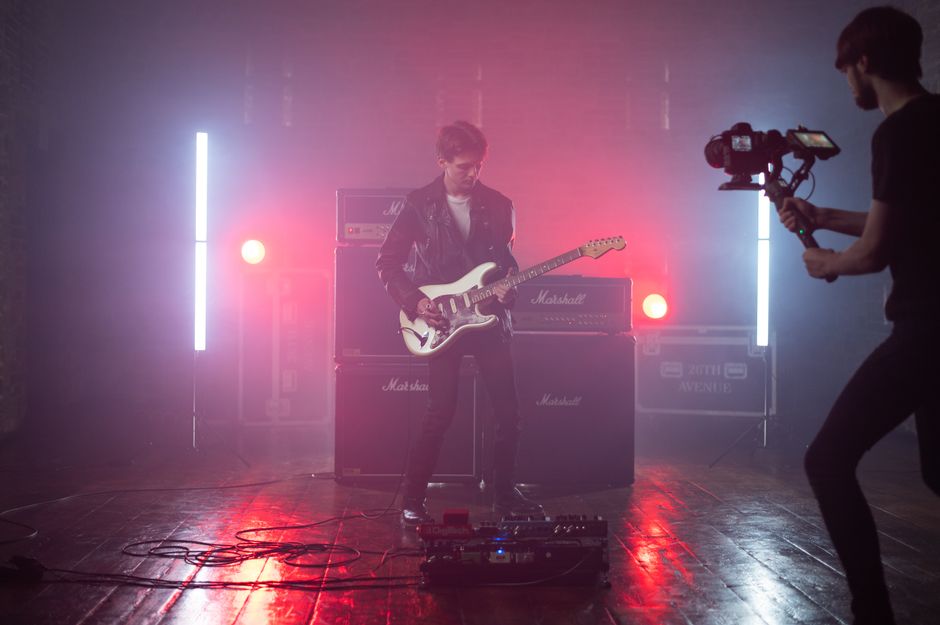
MRQ’s workflow includes live monitoring with split-screen views for each camera feed alongside betting control overlays, enabling immediate adjustments to framing and lighting. This hands-on approach reflects the recommendations from Society of Motion Picture and Television Engineers for holistic content delivery workflows.
Summary: Integrated Approach Wins
Ultimately, mobile interface design shapes how camera production must adapt. The need for readable, interactive streaming experiences on phones means that traditional broadcast workflows must be rethought—integrating framing, lighting, and encoding with UI considerations to deliver engaging content that stands out in competitive markets like live sports betting and online casino apps.
As Hardware Times and MRQ demonstrate through their collaboration and SMPTE guidelines outline, embracing a mobile-first mindset lets production teams create polished, immersive broadcasts engineered for the way viewers engage today—on their phones, with dynamic controls and instant access to action.