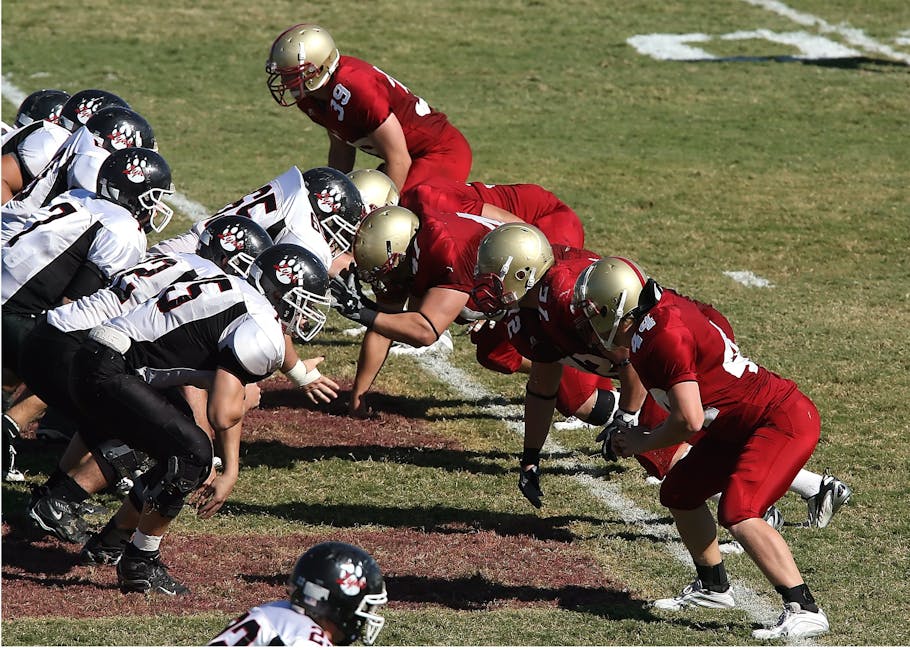
When diving into college football or basketball betting, the question often arises: what’s the first piece of info you should lock in on? Is it the injuries that could shake up the game day roster? Perhaps the weather, that wild card especially impactful in outdoor football? Or is it the point spread itself, the line that bookies set to balance action and reveal market sentiment? As a Big 12-focused sports blogger with a decade of experience juggling opening and closing lines, plus a penchant for tracking quirky weather effects and betting trends, I’m here to walk you through the order of operations and why each element deserves its spot in your research routine.
Why the Order Matters: Betting Is More Than Just the Final Score
First, let’s clear up the common misconception that you’re just “picking winners.” Betting, especially against the spread (ATS), is a different animal than predicting the final outcome. The final score might confirm the winner, but your success depends on beating the spread and understanding how totals (over/under) and pace forecasts influence the game flow.
Understanding point spreads means grasping the bookmaker’s goal: to balance action on both sides, not necessarily to predict a straightforward winner. So, what drives those lines? Injuries and weather are two major factors that can shift spreads or totals substantially, sometimes minutes before kickoff.
Injuries: The First Domino in Your Betting Chain
When I open my checklist for any Big 12 game or midweek hoops action, injuries are the first stop. Why? Because a key injury to a star quarterback, top receiver, or defensive disruptor fundamentally alters team performance and thus the betting market.
The Impact of Injuries in Football and Basketball
- Football: Losing a QB, a premier running back, or a lockdown cornerback can swing a spread by a field goal or more. Click over to the ESPN Sports Betting section for real-time injury reports that get integrated into live line updates.
- Basketball: Missing a key shooter or primary defender reshapes pace and scoring projections. Totals shift as the expected tempo changes – you might see lower projected scores if a high-volume offensive player is sidelined, for example.
Injuries aren’t static, either. Watch social media platforms — Twitter accounts of beat reporters, coaching staffs, and players themselves — for the latest, sometimes breaking news that sportsbooks may take time to digest. I always do a revisit to check injury updates 30 minutes before tipoff or kickoff. It’s common for the closing spread to move on last-minute injury revelations.
Case Study: Injuries That Moved Lines in the Big 12
Weather: The Unpredictable Variable Especially in Football
Next on the list? Weather, especially for outdoor football contests. Weather conditions can severely hamper offensive efficiency or cause turnovers, which have ripple effects on the point spread and totals.
How Weather Affects Betting Lines and Totals
- Rain and Wind: Kickers struggle, passing gets riskier, and offenses often become conservative. This usually results in lower totals (point totals) as scoring dips.
- Cold Temperatures: Running games get emphasized to avoid risk; you may see line adjustments favoring rush-heavy teams.
- Extreme Heat: Players fatigue faster, which sometimes means slower pace or increased mistakes late in the game.
I maintain detailed notes on peculiar weather games – for instance, when a sudden gusty wind impacted the over/under more than the spread, or when storms triggered dramatic line drops hours before kickoff. The key takeaway is that weather’s effect is game and venue-specific and often visible in the betting section of ESPN as sportsbooks adjust their totals and lines daily, sometimes hourly.
The Point Spread: More Than a Number
Finally, once you’ve nailed down injuries and weather, the point spread reveals the betting market’s collective wisdom (and sometimes overreaction). The opening line is your baseline – a bookmaker’s initial estimate factoring everything known that day. Let me tell you about a situation I encountered thought they could save money but ended up paying more.. Tracking line movement from opening to closing is like reading a live market sentiment gauge.
Why Late-Game Meaning Matters
The point spread doesn’t just dictate your how wind affects kicking bet upfront — it has strategic importance late in games. Teams trailing by certain margins adjust their play calls, sometimes at the expense of winning the game outright but better for cover or cashing the ticket on the spread.
This is why I always check the live line movement 30 minutes before kickoff or tipoff. Early injuries or weather updates can force sportsbooks to tweak spreads significantly, and sharp bettors react fast — this is prime opportunity territory.
Understanding Totals and Pace in Basketball
Unlike football, basketball betting requires strong attention to pace—the tempo at which teams play. Injuries to key starters can slow down or speed up a team’s usual style, directly affecting the totals market (over/under). If a team loses a dynamic scorer, you might expect fewer possessions and lower totals. Conversely, if a defensive stopper misses, pace and scoring could climb.
Matchup research here means more than stats; film-stat thinking applies — watching clips to evaluate how players interact. Social media clips and coach interviews sometimes reveal shifts in rotation or strategy that impact line movement.
Putting It All Together: A Step-by-Step Betting Prep Plan
Final Thoughts: Avoid Casino Confusion and Bet Smarter
One pet peeve of mine? People treat casinos and sportsbooks interchangeably. A casino is the physical place with slot machines and tables; a sportsbook is the section (physical or digital) that takes wagers on sporting events. Knowing this helps you find the data you need and avoids chasing myths.. Pretty simple.
Also, viral “hot picks” abound, flooding social media with “guaranteed winners.” Betting isn’t a popularity contest — it’s an odds game. Your research with injuries, weather, and line movement trumps any viral hype.
So next time you’re prepping to bet on your favorite Big 12 football or basketball game, keep this research priority in mind: start with injuries, check the weather, then analyze the spread and totals with matchup context. It’s a workflow that supports disciplined, fact-driven betting — because in this game, knowledge beats impulse every time.