Naming a sequel for an online slot or casino game is more than just tacking on a suffix like “Returns” or “Reloaded.” While these generic add-ons are common, they often blur new titles with their predecessors and add little to no meaningful differentiation in crowded digital catalogues. With thousands of games accessible via browser-based libraries such as MrQ, and tens of thousands lined up in digital lobbies and thumbnails, a sequel’s name must deliver clarity, distinctiveness, and catchiness—especially on mobile devices where space is limited.
Why Sequel Naming Matters
A title is the first point of contact between player and game. Before any reels spin, before any bonus triggers, players make split-second decisions based on what’s presented to them in the lobby tiles or thumbnails. The right name can set expectations, spark curiosity, and convey the sequel’s unique identity.
Conversely, a poorly chosen sequel title risks being lost in a sea of similarly labeled games or promising one vibe but delivering another — causing player confusion or disappointment.
Setting Expectations Before Gameplay
When players spot a familiar name with “Returns” or “Reloaded” appended, they usually expect a close variation or a refreshed version of the original. But if your sequel is truly distinct—featuring new mechanics, themes, or gameplay twists—the generic suffix undersells these differences and makes the title seem unimaginative.
Instead, your sequel title should hint at what’s new or different, whether that’s through theme, gameplay, or the emotional experience players can expect.
Avoiding Generic Suffixes: The Risks of “Returns” and “Reloaded”
- Loss of Uniqueness: “Returns” and “Reloaded” have become cliché and are wildly overused across multiple providers.
- Blurred Catalogues: In vast digital catalogues, these suffixes do little to help players quickly distinguish your sequel from the original or from other sequels.
- Misleading Expectations: Unless the sequel is literally a return or a reload in gameplay or storyline, these terms can misrepresent the player experience.
Takeaways:
Generic suffixes rarely communicate what’s different nor enhance the parent brand, making it easier for your sequel to be overlooked or confused.
Tools & Context: Browser-Based Libraries and Lobby Tiles
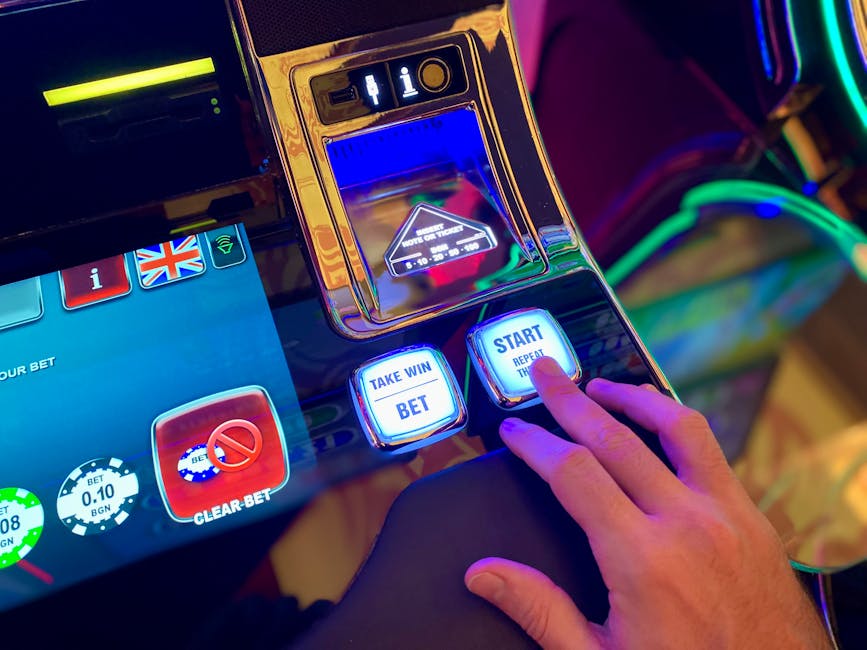
Consider a platform like MrQ, which offers a browser-based library where players scan lobbies filled with thumbnail tiles. The small tile size and mobile screen restrictions mean your sequel’s name must:
- Fit comfortably in limited space
- Be immediately readable and recognizable
- Convey distinctiveness at a glance
Moreover, lobby thumbnails compress the brand into a visual and textual snapshot. Game titles become crucial for navigation and findability.
Crafting a Distinctive Sequel Title
1. Use Fresh Descriptors Instead of Generic Suffixes
Add a word or phrase that relates to the new theme or core gameplay twist:
- “Mega Midas” instead of “Midas Returns”
- “Dragon’s Fury” instead of “Dragon Reloaded”
- “Pirate’s Peril” instead of “Pirates Returns”
This approach tells players exactly what to expect.
2. Leverage Rhythm, Sound, and Alliteration
Sound matters when players see or read your title—especially when they quickly scan the screen. A rhythmic, catchy name is easier to recall. Consider:
- Rhythm: Balanced syllables create flow. For example, “Crystal Quest” has a smooth 3-syllable pattern (2 + 1).
- Alliteration: Repeating consonants (like “Pirate’s Peril,” “Mighty Monkey,” or “Bubble Blast”) make names sticky.
Read your title out loud while testing—does arenanames it roll off the tongue, or does it feel clunky?
3. Prioritize Brevity and Mobile Tile Readability
When naming sequels, consider:
- Short is Sweet: Aim for 3-5 syllables total. Longer names risk truncation in lobby tiles.
- Clear and Simple: Avoid complex or clever spellings that confuse pronunciation or memory.
Check how your title looks when reduced to tile size—the name must remain legible and enticing.
4. Emphasize Clear Differences
Whether your sequel introduces:
- New mechanics (e.g., cascading wilds, bonus rounds)
- A different setting (underwater, outer space)
- A mood shift (from lighthearted to thrilling)
Incorporate language in the title which signals these changes.
A Sequel Naming Workflow Example
Examples of Strong Sequels Without Generic Suffixes
Final Thoughts: Naming for Impact and Clarity
Sequels are an opportunity to evolve your game’s story and mechanics. Don’t let uninspired, generic suffixes like “Returns” or “Reloaded” steal that spotlight. Instead, embrace naming as a strategic tool that communicates clear differences, grabs attention in busy digital lobbies, and resonates with mobile players.
By blending rhythmic phrasing, alliteration, brevity, and meaningful descriptors, you not only enhance the player’s first impression but also increase the memorability and discoverability of your sequel in crowded game libraries like MrQ’s browser-based platform.
Remember, a great sequel name isn’t just a label—it’s your game’s first spin.